
Oconee County Criminal Court Records
Oconee County criminal court records are kept through the court that handles the criminal matter. Superior Court is the main court for felony criminal cases in the Western Judicial Circuit. Magistrate Court handles warrant applications, first appearances, preliminary hearings, bad-check or deposit-account fraud matters, child abandonment, and some criminal forms. Probate Court handles certain lower-level offenses, including misdemeanor traffic, misdemeanor marijuana possession, and underage alcohol matters.
The Clerk of Superior, Magistrate, and Juvenile Courts is the records office for Superior, Magistrate, and Juvenile files. The District Attorney prosecutes cases involving at least one felony charge in Superior Court, handles preliminary hearings and special bond hearings in Magistrate Court, and staffs alternative courts. A criminal court record begins to matter most after a charge is filed in court, because the court file then tracks arraignment, motions, plea or trial, disposition, and sentencing.
For a closer view of the charge list itself, use the Oconee County arrest records and court charges material. The criminal court record is the broader case file and outcome record.
Search Oconee County Criminal Cases
The main public case search is the Oconee County Superior and Magistrate Court Docket Search, which opens the Tyler Case Management Plus public search. Users can search by defendant name as a party, by associated party such as a prosecutor or attorney, or by exact case number. The county user guide says party searches can be limited by court, division, and filing date range. Case-number search requires the exact number.
- Start with the Superior and Magistrate Court Docket Search.
- Accept the Tyler public records disclaimer.
- Search the defendant as a party, or use the exact case number if known.
- Open the case and review proceedings, hearings, charges, disposition, and image availability.
- Use GSCCCA eCertification or the Clerk's office for certified criminal court records.
- Contact the proper lower court if the charge belongs to Probate Court or Watkinsville Municipal Court.
State prison and criminal-history channels are separate. The Georgia.gov Find an Offender page and the GDC offender query help locate sentenced state offenders, but they do not replace the Oconee County court case file.
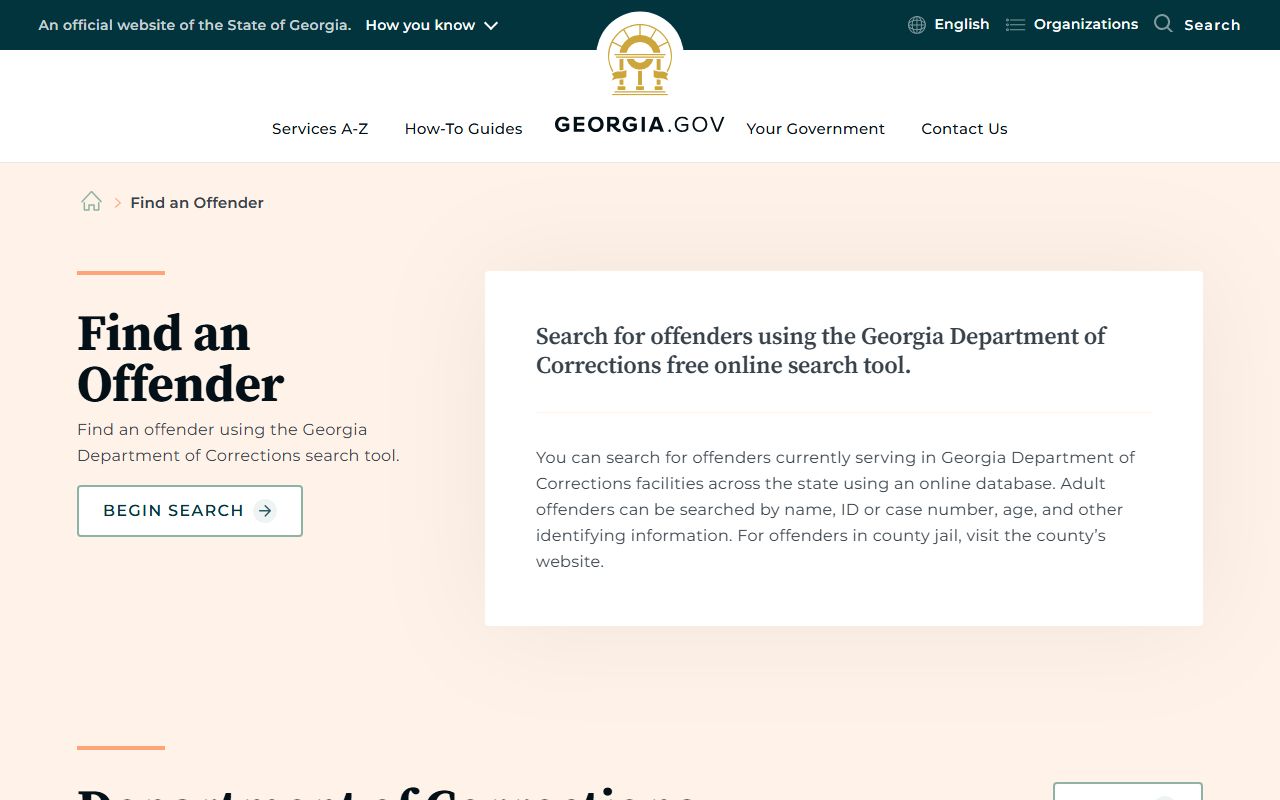
GDC records can confirm state custody information after sentencing, while the court record remains the source for pleas, orders, and disposition.
Oconee County Criminal Case Flow
A criminal case file changes as the prosecution moves. Early stages may show warrants, first appearance, bond, or preliminary hearing activity in Magistrate Court. Felony prosecutions then move through Superior Court, where the District Attorney organizes and presents cases before judges. The court record may show charges filed by accusation or indictment, arraignment, pretrial motions, plea talks, trial events, disposition, and sentencing.
Case flow: Charges Filed › Arraignment › Pretrial and Motions › Plea or Trial › Disposition › Sentencing.
| Stage | What Happens in the Record |
|---|---|
| Charges Filed | The prosecutor or grand jury creates the formal charge record in court. |
| Arraignment | The defendant is called to answer the charges, often by plea. |
| Pretrial and Motions | Attorneys file requests, bond issues, discovery disputes, and hearing notices. |
| Plea or Trial | The record may show a guilty plea, nolo plea, trial verdict, acquittal, or dismissal. |
| Disposition | The case result is entered for each charge or case count. |
| Sentencing | The court records prison, jail, probation, fines, conditions, or other sentence terms. |
The GDC Offender Query uses fields such as identity, sentence status, conviction county, offense, institution, GDC ID, and case number for state-prison records.
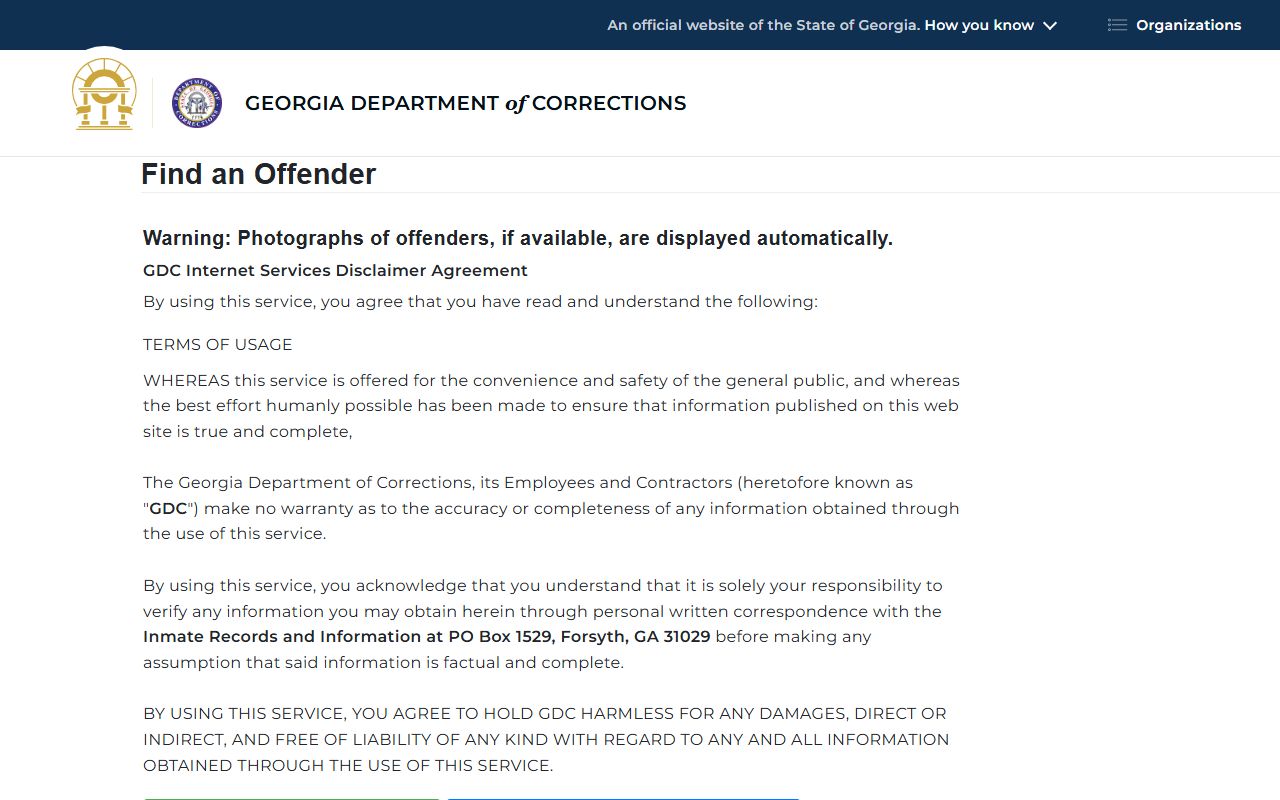
Those state fields are useful after conviction, but they do not show every motion or docket event in the Oconee court file.
What Oconee Criminal Records Show
The Tyler guide confirms that selecting a case opens case details and that the Proceedings tab lists proceedings with images available to approved account holders. For Oconee County criminal court records, the important point is to read both the charge entries and the later disposition or sentence entries. A case may begin with serious charges and end with amendment, reduction, dismissal, nolle prosequi, acquittal, plea, or sentence.
| Field | What It Shows |
|---|---|
| Case Number | The court file number needed for exact lookup and certified copy requests. |
| Defendant | The person charged in the court case. |
| Court and Division | Whether the matter is in Superior, Magistrate, Probate, or another court channel. |
| Charges | The filed offenses, counts, or charge descriptions in the case. |
| Attorney or Prosecutor | Associated parties linked to the defendant or the State. |
| Bond | Bond orders or related release conditions when entered in the case. |
| Plea | Guilty, not guilty, nolo contendere, or other plea activity if shown. |
| Disposition | The outcome for a charge or case, such as dismissed, guilty, acquitted, or nolle prosequi. |
| Sentence | Jail, prison, probation, fines, conditions, or other ordered penalties when imposed. |
The GDC location page identifies Oconee County Jail in state correctional location records, but current custody questions should still start with the county jail or roster channel.
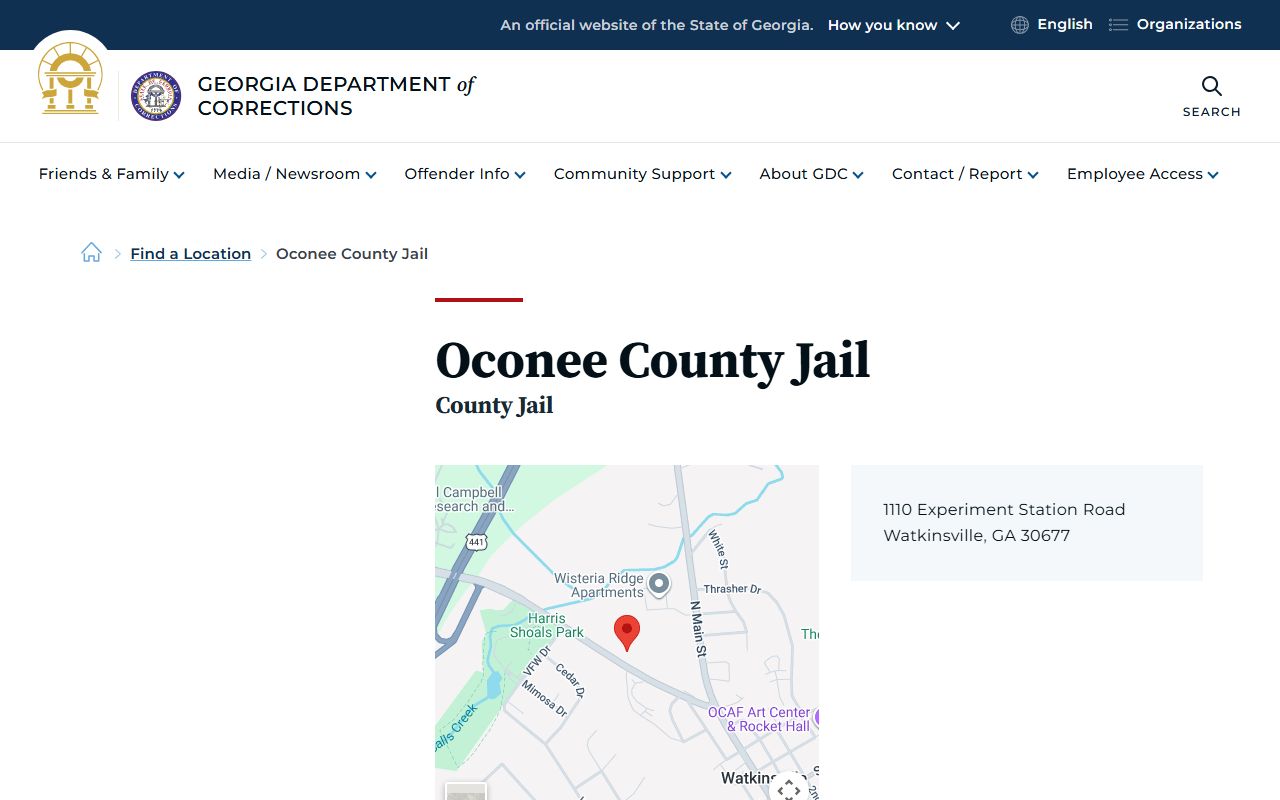
Custody location helps explain where a defendant is held, but the Oconee court record explains what happened in court.
Charges vs Convictions
A charge is an accusation filed or pursued in the case. A conviction is an outcome after a guilty plea, nolo plea accepted by the court, or guilty verdict. Oconee County criminal court records may show charges that never became convictions. They may also show charges that were amended, reduced, dismissed, dead docketed, or ended in acquittal.
| Point | Charge | Conviction |
|---|---|---|
| Meaning | An offense alleged by the State or grand jury. | A final finding or plea that results in guilt. |
| Record Timing | Appears early in the court case. | Appears after plea, verdict, or final disposition. |
| Proof Level | Based on probable cause or charging authority. | Requires proof beyond a reasonable doubt or an accepted plea. |
| Public Reading | Do not treat it as guilt by itself. | Read the sentence and any later restriction order. |
Note: Always read the disposition line before treating a criminal charge as a final outcome.
Oconee Dispositions and Sentences
Disposition means the current or final result of the case or charge. Common entries include guilty, not guilty, dismissed, nolle prosequi, acquitted, dead docket, or reduced. Nolo contendere means no contest. Dead docket means a criminal case is set inactive without a final dismissal. Probation is a sentence served under supervision outside jail or prison. A sentence can include custody time, probation terms, fines, conditions, treatment, or specialty-court requirements.
The Western Judicial Circuit District Attorney staffs alternative courts, including drug court and Treatment and Accountability Court. The Western Judicial Circuit Veterans Court also serves Oconee County defendants whose potential felony or misdemeanor charges stem from service-related mental illness or substance-abuse issues. These court tracks may affect entries, conditions, and outcomes in a criminal case record when the defendant qualifies.
Public Oconee Criminal Records
Georgia public access rules start with open records law and court rules, then narrow access for protected records. O.C.G.A. 50-18-70 states the broad policy that public records are open unless exempt. O.C.G.A. 50-18-71 governs request procedure and fees. Uniform Superior Court Rule 21 treats court records as public unless access is limited by law or court order. These rules support public access to ordinary Oconee County criminal court records, but they do not override sealed, juvenile, or protected data limits.
Key Access Rule: Public docket access may show the case index while document images or certified copies require Clerk approval, payment, or eCertification.
Sex-offender registry records are separate from the court case file. Oconee County maintains a local sex offender registry page, and the GBI maintains Georgia's statewide registry service.
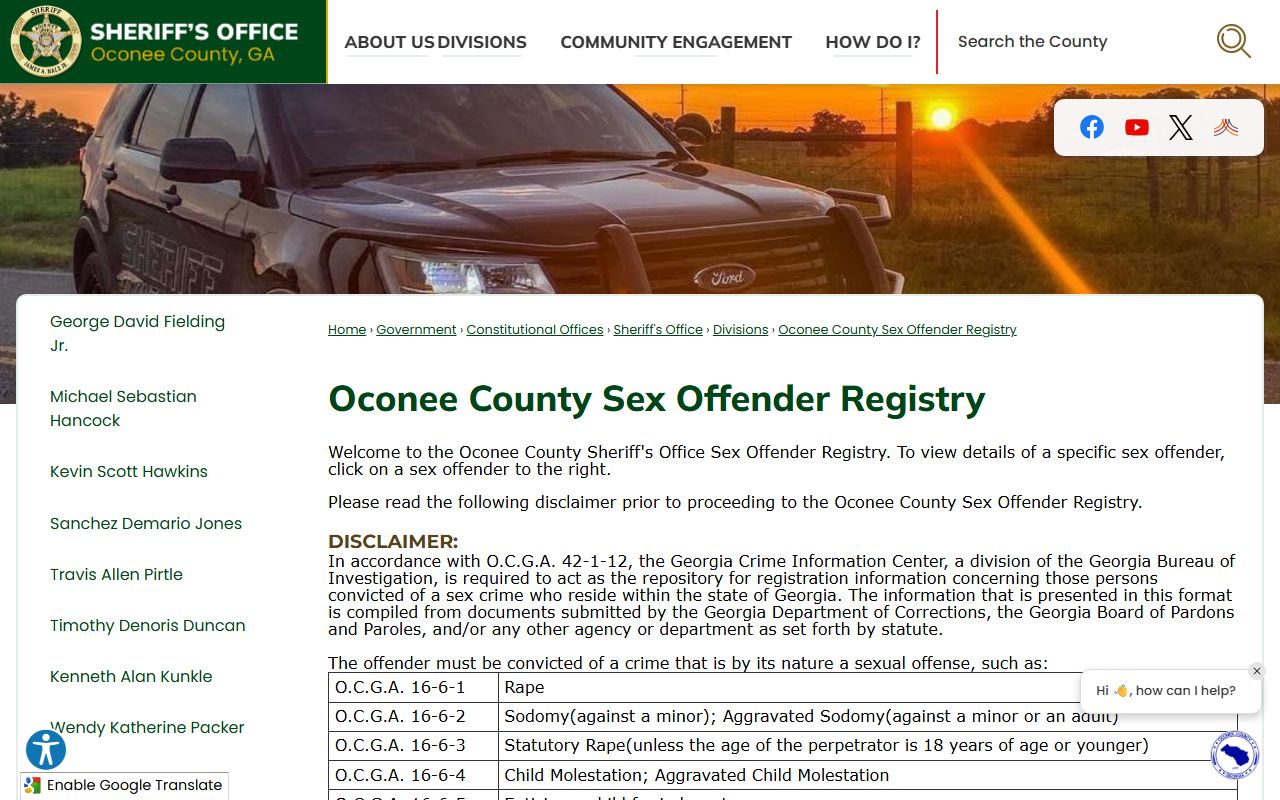
A registry listing should not be confused with the full criminal court case file that produced the conviction or registration duty.
Sealed vs Expunged Records
Georgia generally uses the terms record restriction and sealing rather than the older broad term expungement. Record restriction can limit public criminal-history access for eligible non-convictions and certain misdemeanor convictions under O.C.G.A. 35-3-37. Sealing can limit public access to related court records when ordered. This does not always destroy the record. Courts and law enforcement may keep defined access.
| Point | Sealed or Restricted | Expunged in Common Speech |
|---|---|---|
| Georgia Term | Record restriction and sealing. | Often used by the public, but less precise in Georgia. |
| Effect | Limits public access to eligible records. | May wrongly imply total destruction. |
| Access Left | Courts or law enforcement may retain access. | Depends on the actual order and statute. |
| Where to Start | Arresting agency, prosecutor, or court based on outcome. | Use the Georgia record restriction process instead of assuming deletion. |
The GBI sex offender registry service page and the official public registry are separate public-safety resources.
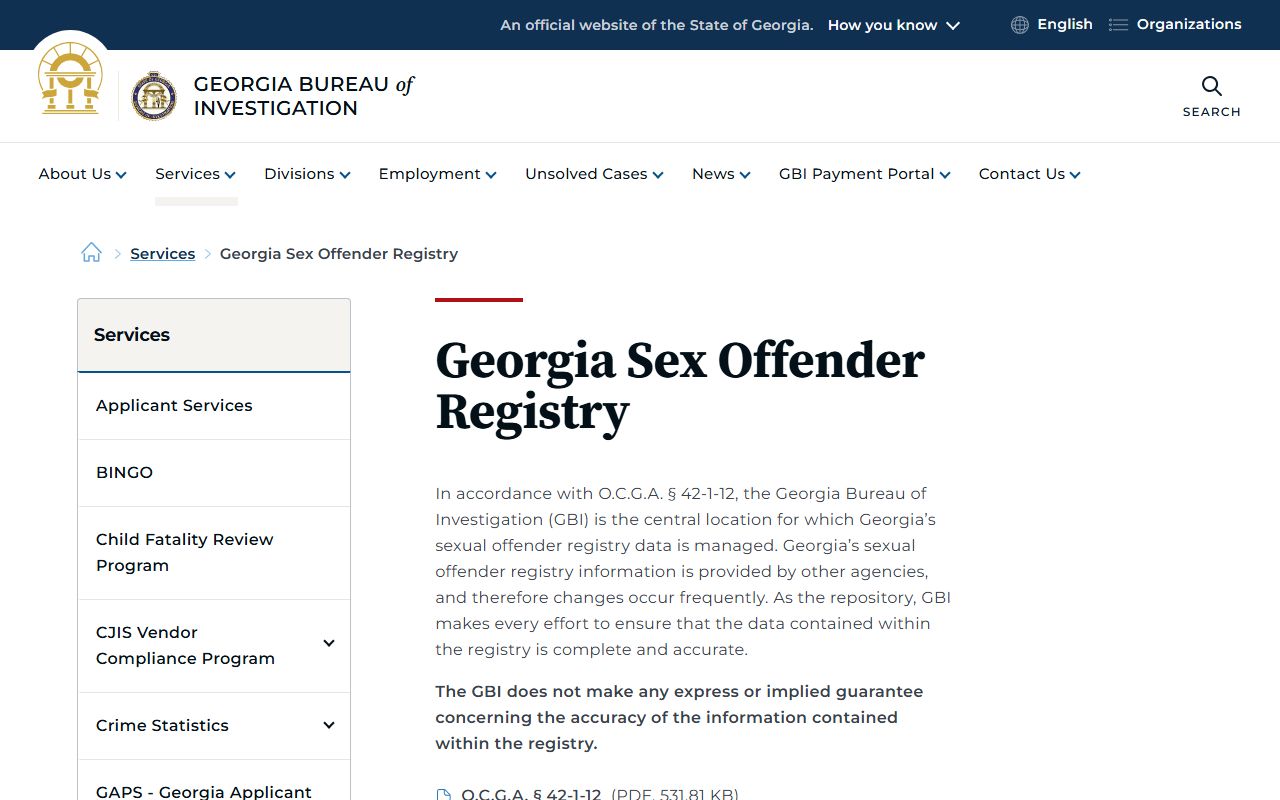
Registry access does not answer whether a court case is sealed, restricted, appealed, or later modified.
Restricted Oconee Criminal Records
Juvenile delinquency and dependency files are not ordinary public criminal court records. Access usually depends on party status, attorney status, agency authority, or court order. Mental health and involuntary treatment matters, protected identifiers, victim details, and sealed records may also be withheld or redacted. Public document images may omit protected details even when the case index remains visible.
The official GBI public sex offender registry portal is a statewide registry search, not the Oconee criminal case docket.
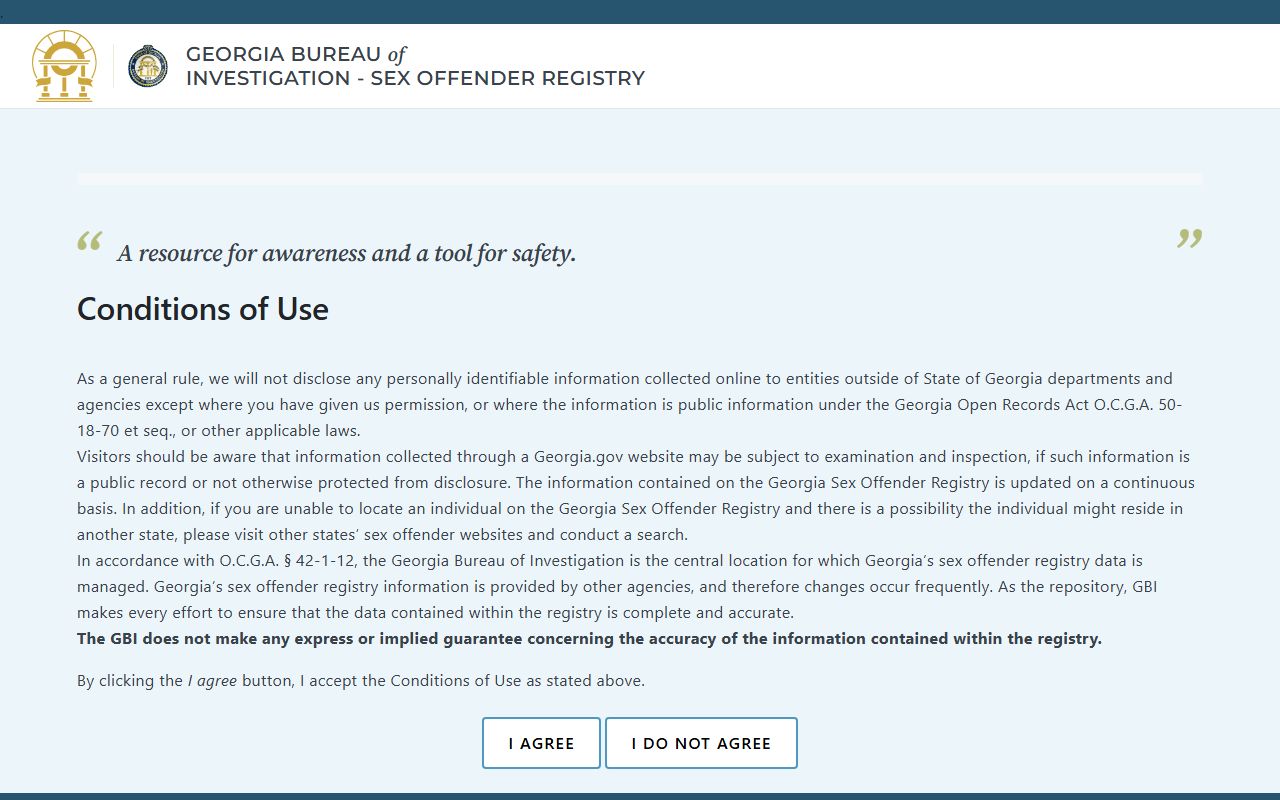
When the issue is a case record rather than registry status, the Clerk or the court that handled the case remains the proper source.